

So, the dust has settled on the 2026 World Cup. The confetti has been swept up, the vuvuzelas (thankfully) silenced, and the Spanish players are probably off somewhere counting their millions while nursing a well-earned hangover. But in the hallowed, now quite barren, grounds of the MetLife Stadium in New Jersey, something else has been going on. Something that, in the grand tradition of the beautiful game, is equal parts brilliant, bonkers, and an absolutely blatant cash grab.
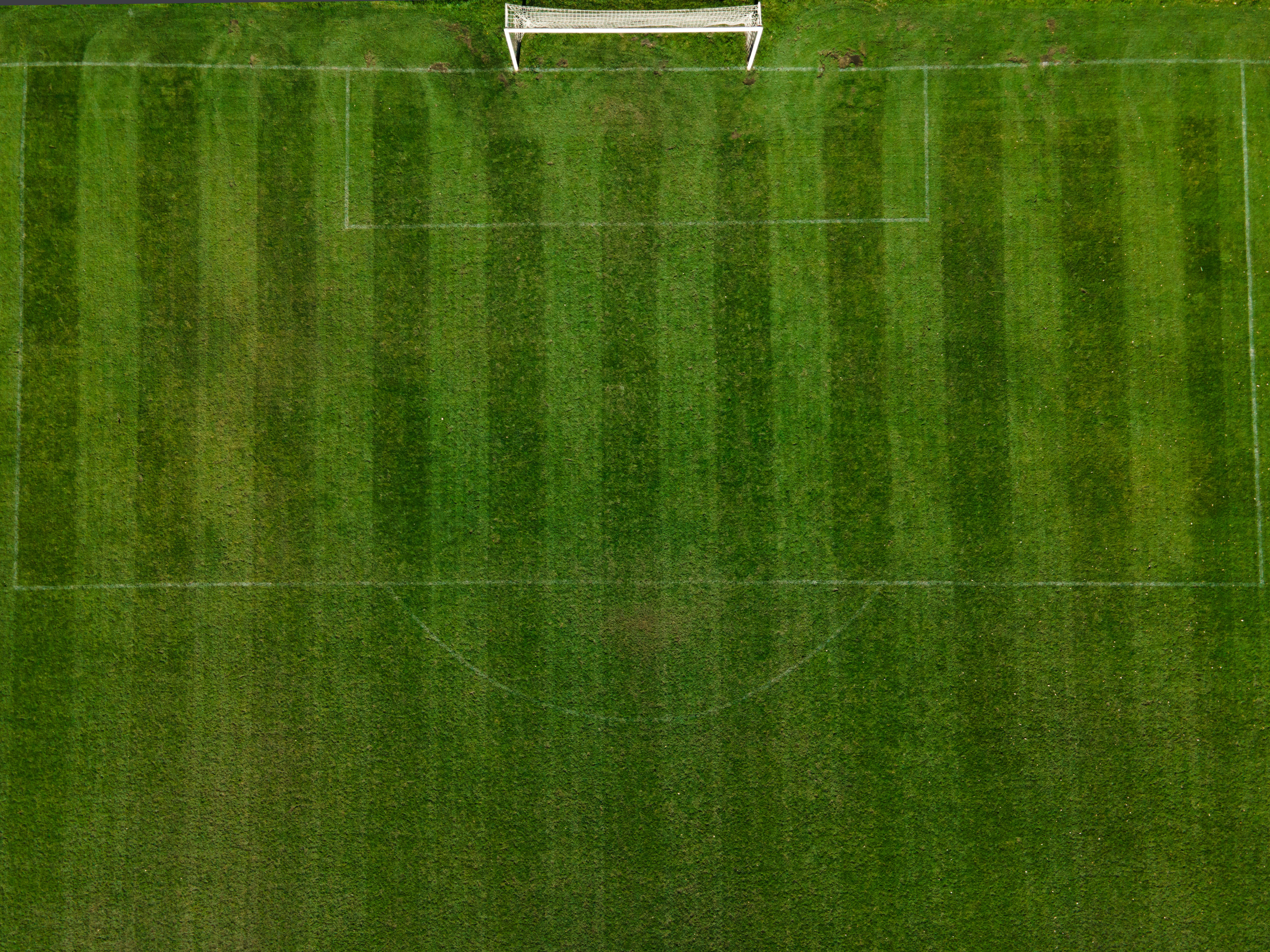
The grass has been lifted. Well, not nicked, exactly. That would suggest some light-fingered pitch invader with a trowel and a wheelbarrow. No, this was done with the full, gleaming, corporate blessing of FIFA. The final pitch, the hallowed turf upon which Spain etched their names into history with a 1- extra-time victory over Argentina, has been rolled up, chopped into bits, and is currently winging its way to collectors across the US and Europe, all for the small price of a second-hand car .
That’s right. If you fancied owning a piece of sporting history, you could have just gone down to the stadium with a pair of shears a few weeks ago. But where’s the exclusivity in that? What you really want is a certified, three-inch cube of grass, permanently entombed in resin like a fossilised fly, complete with its own USB stick. Because nothing says “I was there” quite like a glorified paperweight you can’t even water.
FIFA, never ones to miss a trick when it comes to monetising the very air we breathe, have been flogging this sward of the sublime for a tidy amount. The prices run from $450 for the “Foundation Edition” all the way up to a frankly ridiculous $3,000 for the “Hero Edition” .
That’s not pocket change. For three grand, you’d expect the grass to have been personally blessed by Pele’s ghost and handed over by Gianni Infantino on a velvet cushion. And what do you get for your three thousand American dollars? A larger cube of grass (a generous three inches, because size matters), a gold-etched replica ticket, a mini match ball, and a crystal World Cup trophy .It’s basically a Christmas cracker for the obscenely wealthy football fan. You can almost hear the market stall banter now: “Go on, guv, it’s not just any grass, it’s the grass that might have been stepped on by Ferran Torres. Or a linesman.We can’t confirm which bit.”
This scheme is pure, unadulterated FIFA. They have taken the most fundamental element of the game, the literal ground it’s played on, and turned it into a luxury collectible. It’s like a restaurant selling you the plate you ate your Michelin-starred meal off, but for twenty times the cost of the meal itself. It’s the kind of idea that starts with a brainstorming session and ends with someone saying, “Hold on, can we actually bottle and sell the sound of the crowd?”
And would it surprise you to learn that this could net them over $11 million? That’s an awful lot of quid for something that grows out of the ground for free. It’s enough to make you weep, or perhaps fertilise.
The whole operation is being carried out with the surgical precision you’d expect from an organisation that can organise a tournament across three countries. After the final whistle blew, the stadium was transformed into a construction site, with bulldozers and heavy machinery moving in to rip up the turf so it could be carefully packaged and shipped. One minute you’re hosting the world’s greatest sporting event; the next, you’re a building site, all because the New York Giants and New York Jets need to get their American footballs out again . The system is up there with the great philosophical questions of our time: why are we here? What is the meaning of life? And who in their right mind pays $450 for a dead plant?
The quality of the pitch itself was heavily criticised by players during the tournament, with complaints it was too dry and difficult to play on . So, to recap: the pitch was a bit rubbish, so they’re selling it off as a premium souvenir. It’s the ultimate spin: turning lemons (or in this case, dodgy-looking grass) into lemonade.
Even the description of the product has a hint of “Del Boy” about it.The official FIFA store listed the dimensions as “17.5 x 17.5 x 17.5” without specifying whether that was inches, centimetres, or millimetres .This is a classic move. It’s one of the oldest tricks in the book. Much like trying to flog a used car with no MOT.You can just imagine the conversation: “It’s a highly collectible piece, squire.It’s 17.5 by…well, it’s 17.5 of something.And it’s got a USB stick!”
The whole sordid affair follows the usual clamour over ticket prices, which reportedly reached close to $33,000 for the final . To put that in perspective, for the price of a single final ticket, you could likely buy the entire sodding pitch in some parts of the country. It’s enough to make you wonder if FIFA’s next move will be to sell the air in the stadium by the lungful.
In the end, this scheme is the perfect metaphor for the modern game. The football itself is almost secondary to the huge, money-making machine that surrounds it. We are no longer just watching a game; we are participating in a global, interactive, and deeply expensive theatre of commerce.
So, if you see a bloke in the pub with a small acrylic block containing a dried-up patch of green, give him a respectful nod. He hasn’t just bought a souvenir. He’s bought into the dream, the legend, and, most importantly, the marketing hype. He owns a piece of the pitch. Or, as the rest of us call it, a very expensive tuft of dirt.
ZOE SIMONS