

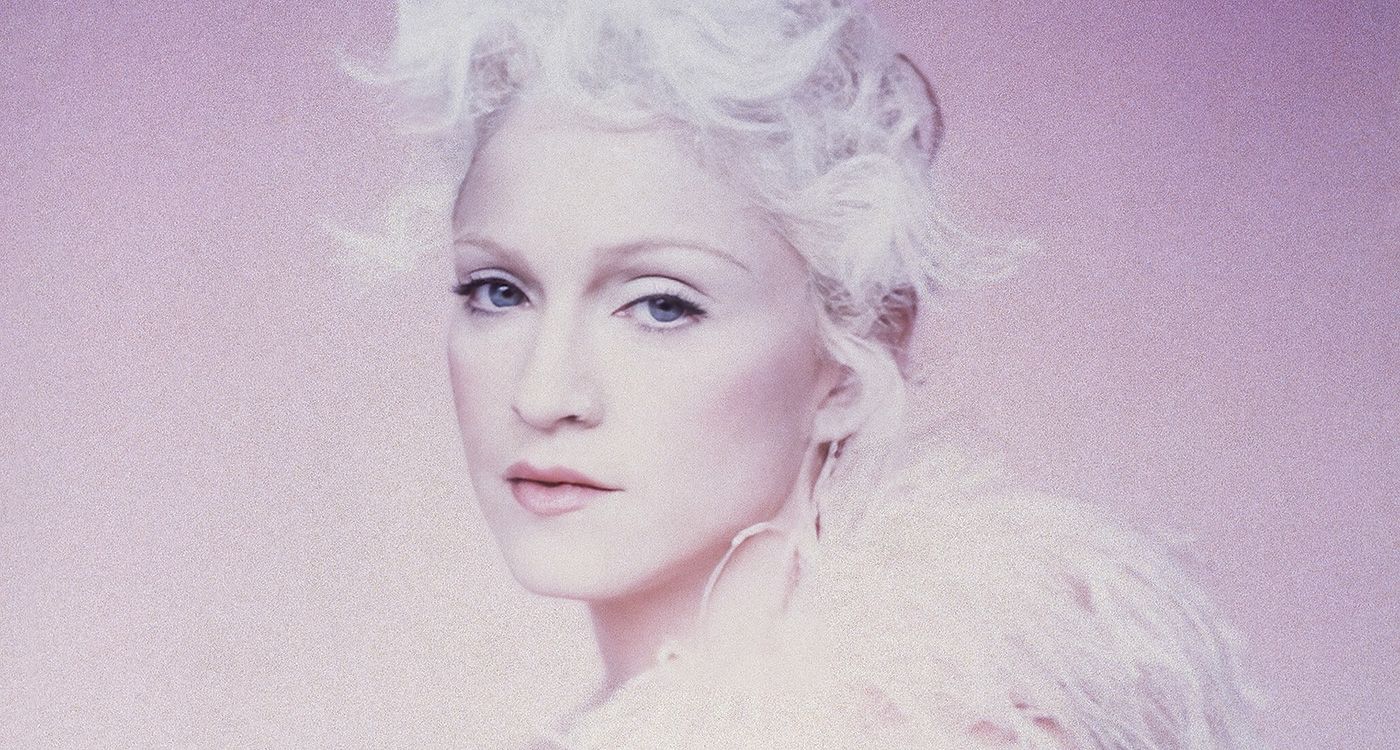
In a move that feels less like a simple cover and more like a timeless cultural handoff, Madonna, the eternal Queen of Pop, has released her own take on “La Bambola,” the legendary 1968 song by Italian icon Patty Pravo. The track, titled “La Bambola (for Dolce & Gabbana – The One),” is more than just a new song; it’s a bridge between generations, a fusion of high fashion and music history, and a masterclass in artistic reinvention—a theme Madonna has personified for over four decades.
Released on January 7, 2026, as a digital single across all major streaming platforms, the song was produced by Madonna’s long-time collaborator, the brilliant Stuart Price. It serves as the glittering centerpiece for the new global campaign for Dolce & Gabbana’s “The One” fragrance, which was directed by acclaimed photographer Mert Alas.
The decision to choose this particular song is a stroke of genius, rich with symbolic meaning. It connects the dots between a young rebel who shattered Italian conventions in the late 1960s and a global superstar who did the same for the world just over a decade later.
The Original: Patty Pravo and Italy’s Defiant Anthem
To understand the weight of Madonna’s cover, you must first understand the original. In 1968, Europe was in upheaval, and Patty Pravo, with her androgynous style and untamed stage presence, was already a controversial figure in Italy. “La Bambola,” which means “The Doll,” was a song initially rejected by several major Italian artists of the time, including Gianni Morandi and Gigliola Cinquetti.
When Pravo finally recorded it, the song, with its hypnotic bassline and Pravo’s cool, almost disaffected delivery, became an instant and colossal phenomenon. It shot to number one on the Italian charts, where it remained for an astonishing nine consecutive weeks between May and June of 1968. By the end of the year, it had sold over a million copies, achieving gold certification and transforming Patty Pravo from a cult figure into a national superstar.
The song’s lyrics, on the surface, speak of a woman feeling like a doll in a relationship. But in Pravo’s hands, performed by a woman who defied every expectation of female pop stardom in conservative Italy, it became an anthem of ironic detachment and quiet rebellion. It wasn’t just a hit; it was the song that consecrated Patty Pravo to fame.
A Perfect Symmetry: Why Madonna and “La Bambola”?
Madonna’s choice is far from random. It reveals an artist deeply aware of her own legacy and the lineages of pop. In many ways, Patty Pravo was a proto-Madonna for Italy—a bold, sexually liberated woman who controlled her image and challenged the status quo, using controversy as a catalyst for her art.
By covering “La Bambola,” Madonna isn’t just singing a catchy Italian pop song; she is acknowledging a kindred spirit, a predecessor in the art of female provocation. She is placing herself within a historical continuum of groundbreaking female artists. Furthermore, the theme of the “doll”—a constructed image, an object of gaze—is one Madonna has explored throughout her career, from the “Material Girl” to the meticulously crafted personas of each era. The song’s subject matter is a perfect mirror for her own lifelong examination of identity and performance.
The partnership with Dolce & Gabbana adds another layer of fitting perfection. The Italian fashion house, synonymous with opulent, theatrical sensibility, has had a long and fruitful relationship with Madonna. Together, they share a love for Mediterranean drama, Catholic iconography, and unapologetic glamour. Using a quintessential Italian pop classic to soundtrack their campaign roots the global brand deeply in its national culture, while Madonna’s global star power projects it to the world.
The Sound and The Campaign
Produced by Stuart Price, the architect behind some of Madonna’s most celebrated modern dance records (like Confessions on a Dance Floor), the new version is both respectful and reinvented. Early indications suggest it retains the original’s haunting, melodic core while undoubtedly wrapping it in contemporary production—likely a sleek, atmospheric, and rhythmic soundscape befitting a major fashion campaign.
The campaign itself, directed by Mert Alas (of the legendary photography duo Mert & Marcus), promises to be a visual feast. While full visuals are still to come, a teaser clip is already circulating on social media. One can easily imagine a cinematic short film where Madonna embodies the “bambola”—perhaps in a lavish Dolce & Gabbana gown, in a palazzo reminiscent of old Italian cinema, playing with the dualities of fragility and strength, control and submission that the song implies.
The Legacy Continues
“La Bambola” joins a long list of covers by international artists, from the great Dalida to more recent interpretations. But Madonna’s version stands apart. It is not merely a rendition; it is a re-contextualization.
This release accomplishes several things at once:
- It honors a legend (Patty Pravo) and introduces her legacy to a new, global generation.
- It showcases Madonna’s enduring relevance and her intelligent, curatorial approach to her art.
- It creates a powerful narrative for a luxury brand campaign, blending music history with fashion storytelling.
In the end, “La Bambola (for Dolce & Gabbana – The One)” is a reminder that great pop music is timeless. A song born from the rebellious spirit of 1968 Italy finds new life in 2026, channeled through one of the most influential pop figures in history. It proves that some songs, like the icons who sing them, are never just dolls on a shelf—they are alive, ever-evolving, and forever capable of captivating us anew.
“La Bambola (for Dolce & Gabbana – The One)” is available to stream and download now.
music @ showbizztoday.com.