

Showbizztoday.com – Paris, France
Posted January 30, 2026
Ever thought of haute couture as a magical, mythical beast—a gilded fantasy so perfect it must be kept behind velvet ropes? You’re not alone. It’s the realm of fashion where a single dress can cost as much as a house in the suburbs, and where the models look less like people and more like impossibly graceful swans gliding through an enchanted forest of flashbulbs.
But this year, something truly wonderful happened in Paris. The Spring/Summer 2026 season of Haute Couture Week, which ran from January 26 to 29, gave the world a historic, heartwarming surprise. Amidst the usual pageantry, two things collided in the most spectacular way: profound change and a newfound sense of approachable magic.
In a season that buzzed with the energy of a fresh start, the biggest debuts in recent memory hinted that the future of fashion isn’t just for the ultra-elite—it’s for anyone who believes in a little glamour. So, let’s grab a virtual croissant and dive into the highlights.
The Changing of the Guard: A New Generation Steps Up
This wasn’t just another fashion week; it was a pivotal moment in fashion history. The ghost of “succession” hung in the air of every grand venue, as legendary houses passed the creative baton to a new generation. This was most keenly felt at three of fashion’s most sacred institutions, where the future is suddenly looking very exciting and just a little bit different.
- Dior’s Secret Garden: The most buzzed-about event of the week was Jonathan Anderson’s haute couture debut for Christian Dior. In a breathtakingly beautiful setting at the Musée Rodin, models walked beneath a ceiling dripping with moss and wild cyclamens. This was no random floral choice—it was a heartfelt tribute to John Galliano, the house’s former creative director, who watched from the front row. Galliano had gifted Anderson a posy of cyclamen in a humble Tesco shopping bag during the design process. Anderson spun this poetic memento into a “Wunderkammer” of ideas, transforming flowers into giant, whimsical pom-pom earrings and delicate, petal-like embroideries. The message? Couture can be rooted in a playful, personal story.
- Chanel Gets Light as a Bird: Over at Chanel, new creative director Matthieu Blazy made his first foray into couture with a philosophy borrowed from Coco Chanel herself: clothes should be “a machine for living in”. Blazy asked, “What makes Chanel, Chanel?” and answered with a collection obsessed with weightlessness. He rendered the classic tweed suit in whisper-thin organza and painted delicate jeans onto silk mousseline that looked like denim from afar. The bird was his central motif, symbolizing freedom and travel. In a beautiful human touch, each model chose a personal, meaningful symbol—a lucky charm, an initial—to be stitched secretly into their garment.
- Armani’s Graceful Transition: The most emotional debut came from Giorgio Armani Privé. This was the first couture show since the passing of the iconic Giorgio Armani in September 2025. Stepping into the role of creative director was Silvana Armani, his niece and a 20-year veteran of the house. Her debut collection, titled “Jade,” was not a loud revolution but a quiet, confident continuation. She softened the famous Armani tailoring with sheer organza ties and presented a jade-green palette that felt serene and modern. In a poignant gesture, the final bridal look was a dress designed by Mr. Armani for his final show, which had never been revealed.
The Season’s Big Surprise: Couture Gets Real
So, with all this intense pressure and history, what did the new generation decide was the future of haute couture? The answer was the season’s biggest shocker: wearability.
Yes, you read that right. In a delightful plot twist, the most rarefied air in fashion let in a big gulp of reality. Designers across the board championed clothes that looked miraculous up close but felt like something a real person could actually move and live in. It was a clear move away from stiff museum pieces and towards modern luxury.
Here are the key trends that defined this “real-life” couture philosophy:
1. Sheer Magic and Weightless Craft
Transparency was everywhere, but not for shock value. The goal was a feeling of ethereal lightness. From Chanel’s blush organza suits to Armani’s shimmering “mille-feuille” gowns, the most impressive trick was making intricate craftsmanship appear to float on air.
2. Nature’s Code: From Gentle Blooms to Wild Beasts
Nature was the universal muse, but designers interpreted it in wildly different ways. At Dior, it was a romantic, delicate garden of cyclamen. At Schiaparelli, creative director Daniel Roseberry went full “wild kingdom.” Inspired by a trip to the Sistine Chapel, his collection featured sculpted tops with spiking horns, jackets with plumes like bird’s wings, and dresses with tails like scorpions. It was nature, but with serious teeth and drama.
3. Sculpted Volume, Without the Corset
This season proved you don’t need a cage to create a breathtaking silhouette. Dior’s opening looks featured huge, ballooning gowns constructed from silk and wire that seemed to levitate. Other designers achieved bold, sculptural shapes through masterful draping, pleating, and structured fabrics, creating volume that felt organic rather than restrictive.
4. A Softer, More Muted Palette
The color story was largely one of quiet sophistication. Blush pink, soft jade, sand, and other organic pastels dominated, allowing the incredible textures and details to do the talking. Of course, there were punctuation marks of drama: the unforgettable Valentino Red, the cooked burgundies of Stéphane Rolland, and the bold textures of up-and-coming label Germanier.
The People Who Make the Magic
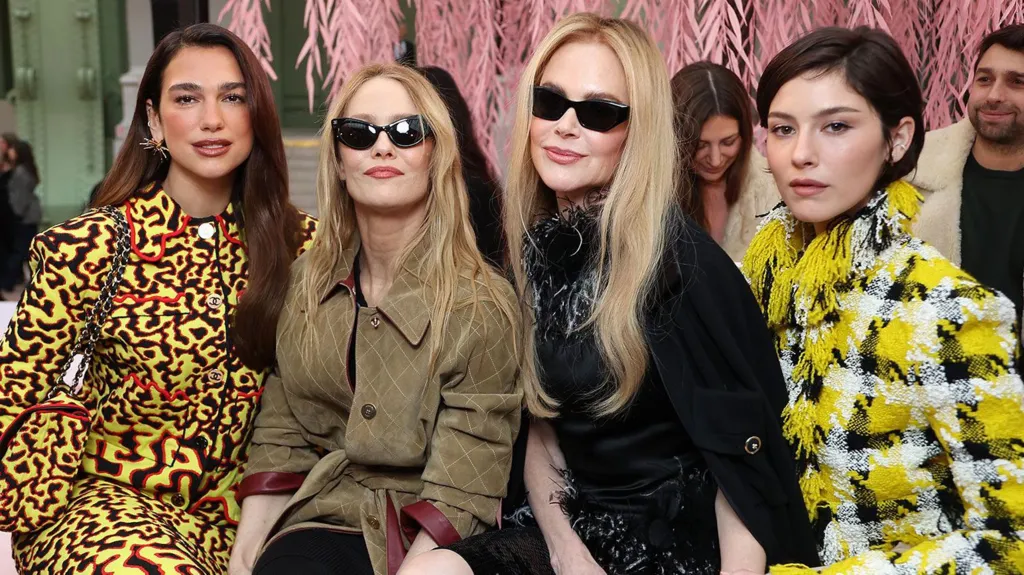
The front rows were a star-studded delight, where the celebrities mirrored the runway’s themes. Here’s a quick look at some of the standout appearances:
The Final Word: Why Dreamers Need Couture
In a world that can often feel heavy and precarious, this season asked a vital question: what is the point of all this beauty? The legendary actress Tilda Swinton, backstage at Chanel, offered the perfect answer.
“Couture, of course, falls under [the category of] art,” she said. “Think of how many people work in the ateliers. Every piece carries the labour and spirit of so many hours, eyes and hands… We need art now more than ever. It’s our saving grace. It’s where we can still dream”.
The Spring/Summer 2026 Haute Couture Week wasn’t just about selling dresses to a few hundred clients. It was a breathtaking, emotional, and surprisingly hopeful showcase of human artistry. It proved that even the highest peaks of fashion are being remade with a touch of heart, a dash of reality, and an invitation for all of us to believe in the magic of a perfectly crafted dream.
BY FRANC SHANNON