

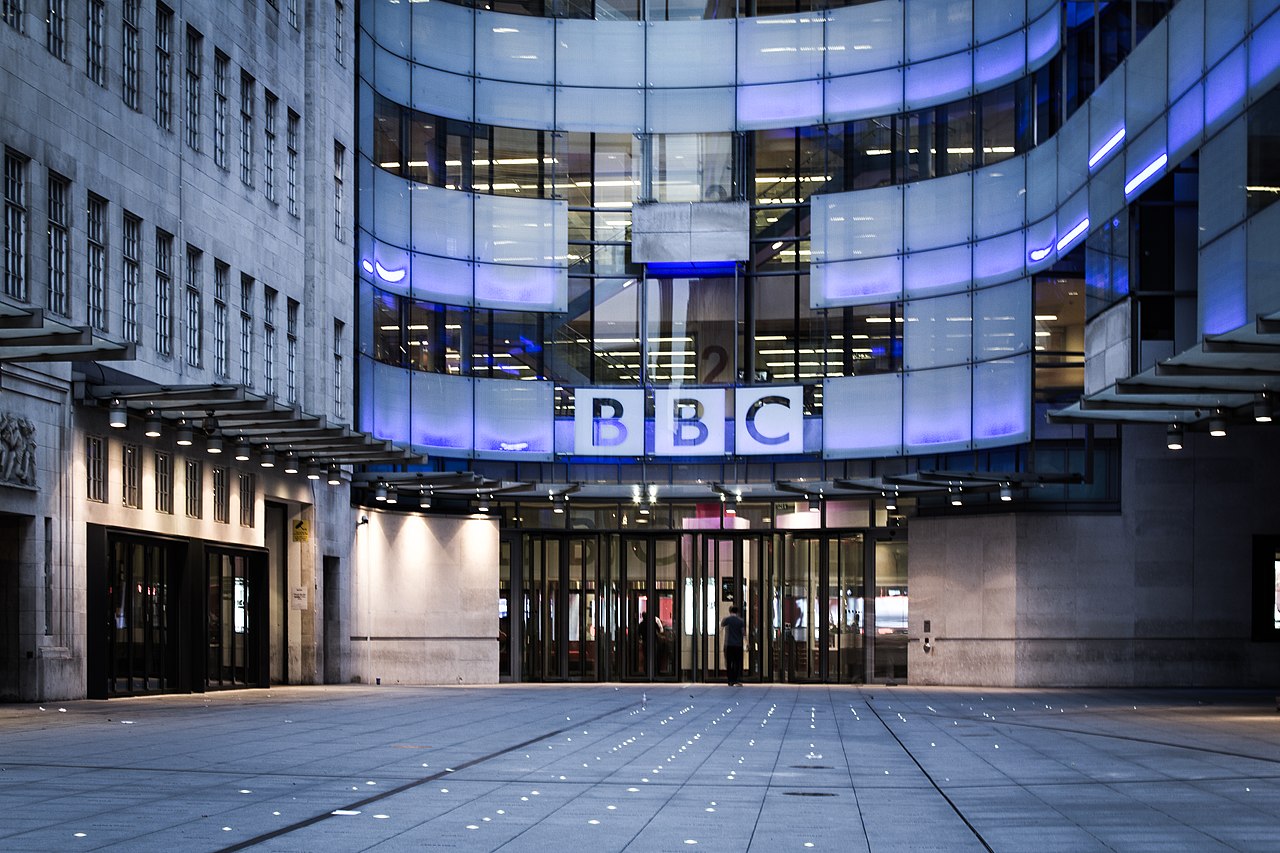
If you were to picture the BBC, your mind’s eye might conjure up images of Sir David Attenborough whispering over an elephant’s footsteps, of the stern yet comforting opening theme to the evening news, or the warm glow of a Sunday night costume drama. It’s a cultural institution as British as a slightly under-done roast potato. So, imagine the shock this week when Auntie Beeb—a name that evokes starched blouses and cups of strong tea—strolled into the digital age, linked arms with YouTube, and announced they were throwing the biggest, loudest, and most algorithm-friendly content party the UK has ever seen.
This isn’t just a few clips on a channel. This is a full-blown, multi-year, multi-platform “strategic partnership” where the BBC will begin commissioning original, bespoke shows designed first and foremost for YouTube’s global, digital-native audience. For a broadcaster that has spent nearly a century defining traditional media, it’s a landmark admission: if you can’t beat ‘em, join ‘em, and maybe teach ‘em a thing or two about quality along the way.
The Wake-Up Call: When YouTube Became “Most Watched”
The deal didn’t happen in a vacuum. It comes hot on the heels of a symbolic changing of the guard. In December, for the first time ever, more people in the UK watched YouTube on their various screens (51.9 million) than tuned into any of the BBC’s combined channels (50.9 million). That single, stark statistic from ratings body Barb was a seismic shockwave through Broadcasting House. The future, in hard data, had arrived. The audience, particularly the younger one the BBC desperately needs to secure its future, was already living on a different planet—a planet owned by Google.
“The partnership translates the BBC’s world-class content for a digital-first audience,” said Pedro Pina, YouTube’s VP for EMEA, neatly summarising the mission. In other words, it’s no longer about asking Gen Z to come to the Proms; it’s about bringing a brilliant, bite-sized Proms experience to the platform where they already spend their time.
What’s Actually in the Digital Goodie Bag?
So, what does this “groundbreaking partnership” actually look like? It’s far more than just uploading old episodes of Doctor Who. The BBC is building entirely new digital skyscrapers on YouTube’s real estate:
- Brand New Channels: Get ready for a fleet of targeted channels, including Deepwatch for documentaries and seven new dedicated children’s channels featuring favourites like Horrible Histories and Operation Ouch.
- The “Perspectives” Project: In a fascinating move, BBC Three is inviting production companies to pitch for a new YouTube channel aimed at 16-24-year-olds, focusing on “conversation, empathy and exchange”. With a budget of roughly £1 million per producer, the goal is to create over 30 short-form episodes that feel native to YouTube but uphold the BBC’s editorial rigor. Think less political shouting, more intelligent chat about identity, pop culture, and real-life experiences.
- News, Sport & Global Fandoms: The plan extends to trusted news formats, sports coverage (kicking off with the Winter Olympics), and leveraging the BBC’s massive global fan communities for shows like Doctor Who and Top Gear.
A key detail for UK viewers: this content will be advert-free at home, just like the BBC’s traditional services. But for the massive international audience, ads will run, opening a new revenue stream for the famously licence-fee-funded broadcaster.
The “Why Now?” – Funding, Lawsuits, and a Fight for Relevance
This aggressive digital pivot is happening against a backdrop of profound uncertainty for the BBC. The government is actively reviewing its funding model, with Culture Secretary Lisa Nandy declaring the current licence fee “unenforceable”. At the same time, the corporation is fighting a gargantuan $10 billion defamation lawsuit from former US President Donald Trump. The need to prove its value, reach new audiences, and find alternative income has never been more urgent.
Legal experts see this as a necessary, if complex, evolution. “This deal marks a strategic acknowledgement of where audiences now sit,” said Juliane Althoff, a media lawyer at Simkins LLP. She notes the challenge will be balancing editorial control and the BBC’s cherished impartiality with the fast-paced, creator-driven world of YouTube.
Building the Next Generation
Perhaps the most forward-thinking part of the deal is its investment in people. The BBC and YouTube are jointly funding a major training programme, led by the prestigious National Film and Television School, to upskill 150 media professionals in the art of digital storytelling. It’s a direct investment in the “creator economy,” an admission that the future of British content might be forged as much in a YouTube studio in Salford as in a traditional TV studio in London.
The message is clear: the BBC isn’t just visiting the digital world for a quick revenue trip. It’s moving in, planting a flag, and trying to cultivate the garden. It’s a monumental gamble—one that could redefine public service broadcasting for the 21st century or see a great institution get lost in the infinite scroll. But one thing’s for certain: the BBC has finally accepted that to remain the storyteller of the nation, it first has to go where the nation is listening. And right now, that’s on YouTube.
by Jim Barnes