

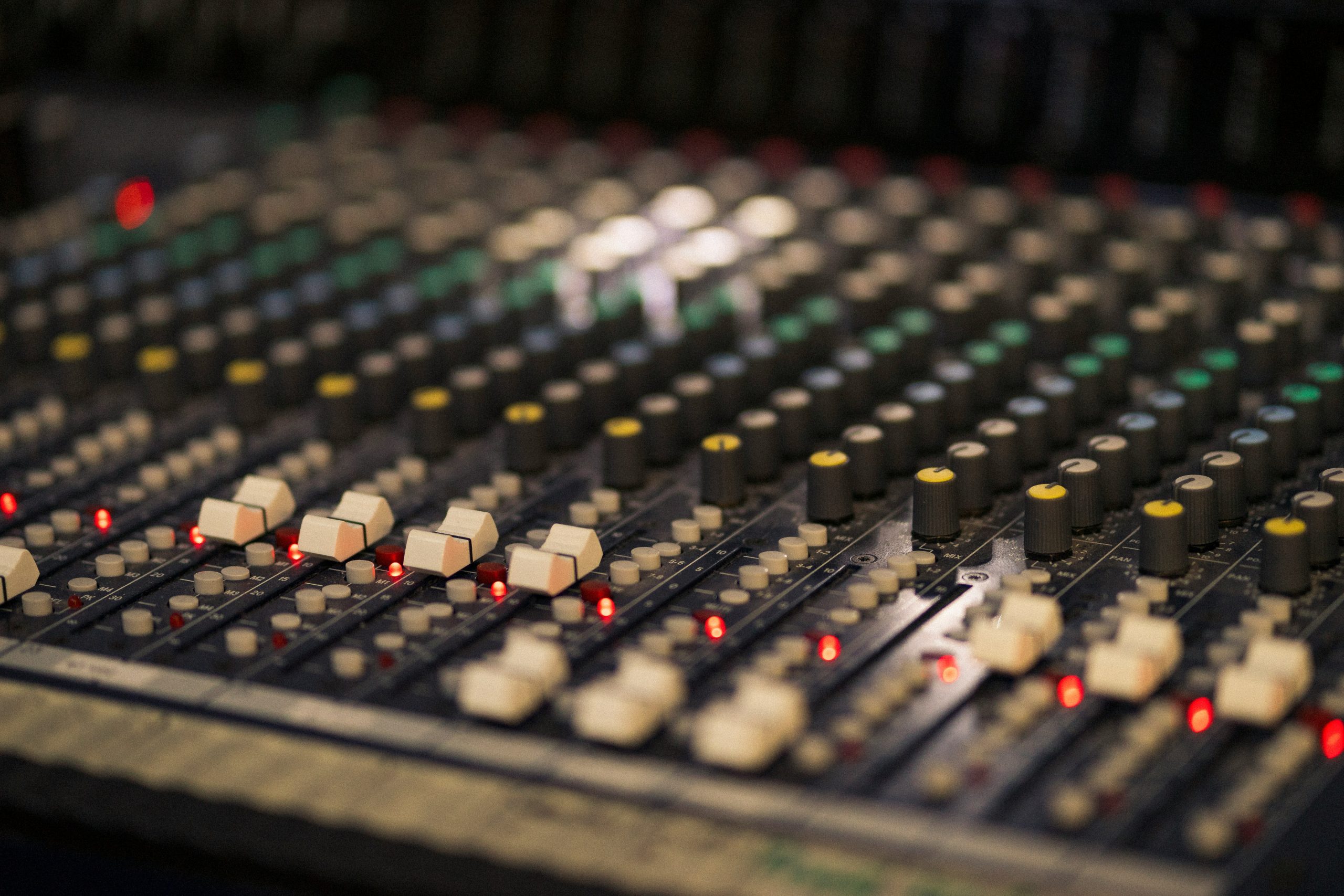
Developing high-quality acoustics is akin to art, where every detail plays a crucial role. We often evaluate speakers based on their impressive external features: drivers, phase inverters, stylish enclosures. But hidden inside are components that are not immediately obvious but have a profound effect on sound, the most important of which is the crossover. What is this device, how does it affect sound clarity, and why is it indispensable? In this article, we will examine how a crossover creates a harmonious sound picture, why it has become indispensable in modern audio systems, and how to properly select and configure this key element.
What is an acoustic crossover
What is a crossover in acoustics is a question often asked by novice audiophiles. The easiest way to explain it is this. Imagine a theatrical production where each actor plays their own role, but together they tell a complete story. In an acoustic system, the crossover acts as a director assigning roles — it distributes the audio signal across frequency ranges. This device — built-in or external — splits the signal into several bands.
Do you like adventure and excitement? We have collected some great offers for you here – pho sho slot
Why is a crossover needed in a system? No speaker, even the most sophisticated one, is capable of reproducing the entire frequency spectrum — from deep bass to high-pitched notes — with equal efficiency. The tweeter reproduces high notes, the low-frequency driver reproduces deep bass, and the mid-frequency speaker is responsible for the middle range. But if, for example, a low-frequency signal is directed to the tweeter, it will cause acoustic distortion or even damage the speaker. A speaker crossover ensures that each speaker receives only the appropriate frequencies.
Essentially, an acoustic crossover is a set of electrical filters that cut off “unwanted” frequencies and pass the desired ones. The key parameter is the cutoff frequency, which sets the division boundary. For example, in a two-way crossover with a cutoff frequency of 1000 Hz, one filter passes high notes above this boundary, and the other passes bass notes below it. In three-way systems, a bandpass filter is added to handle the midrange frequencies. Thus, a crossover for speakers allows each speaker to operate in optimal mode without overload.
Why do you need a crossover?
Its main task is to optimize the performance of the speakers, ensuring clear and balanced sound. Without a crossover, the entire frequency spectrum would be fed to all speakers simultaneously, which would cause a number of problems. First, inappropriate frequencies spoil the sound. A low-frequency speaker, trying to reproduce high notes, adds harmonic distortion — extra overtones that cause a loss of clarity. A tweeter loaded with bass creates intermodulation interference: frequencies mix, producing a muddy and unnatural effect.
Second, inappropriate frequencies can damage the speakers, especially if the “foreign” signal is very powerful. A well-tuned crossover will prevent this.
Third, a crossover ensures natural, harmonious sound. Dividing the frequency spectrum allows each speaker to operate in its own range, reducing unwanted harmonics that occur when frequencies mix. For example, active crossovers allow you to individually adjust the frequency bands, evening out the frequency response. This creates a transparent sound where each instrument and voice sounds clear and natural. It turns out that a crossover is not just a filter, but the basis for high-quality sound.