

The most expensive piece of clothing in Hollywood right now isn’t a Met Gala gown or a vintage Chanel jacket. It’s a pair of jeans. Specifically, the jeans worn by Beyoncé in a global campaign for Levi Strauss & Co., part of a multi-million dollar marketing blitz that has ignited what analysts are calling a full-blown “denim war” in retail . This isn’t just about selling pants; it’s a high-stakes clash of corporate titans, using the world’s biggest celebrities as their primary weapons in a fight for cultural relevance and a slice of the now $101 billion global jeans market.
The spark for this conflict was almost divinely serendipitous. In March 2024, Levi’s CEO Michelle Gass was out for a run in San Francisco when she first heard “Levii’s Jeans,” a track from Beyoncé’s landmark “Cowboy Carter” album . “Literally, I got chills,” Gass recounted. Recognizing a “once in a lifetime” marketing opportunity, she moved swiftly to secure the global icon for a campaign . In the ruthless calculus of modern advertising, a name-check in a Beyoncé song was the ultimate starting pistol. Levi’s had secured the ultimate celebrity ally, and its competitors knew they had to scramble to respond or be left in the dust.
The table below breaks down the key players and their celebrity arsenals in this denim showdown:
Beyond the Billboards: The Real Cost of Celebrity Clout
While brands keep exact figures confidential, the investment is staggering. Levi’s selling, general and administrative expenses jumped by nearly $200 million in the fiscal year its Beyoncé campaign debuted, with the company acknowledging her ads contributed significantly to the cost . For Levi’s, it was a bet worth taking. “The Beyoncé campaign had a great return for us,” Gass stated, noting it’s central to her strategy of making women’s wear half of Levi’s business . The data backs her up: independent analysis found Levi’s denim ads were 304% more effective at driving consumer engagement than the average clothing ad .
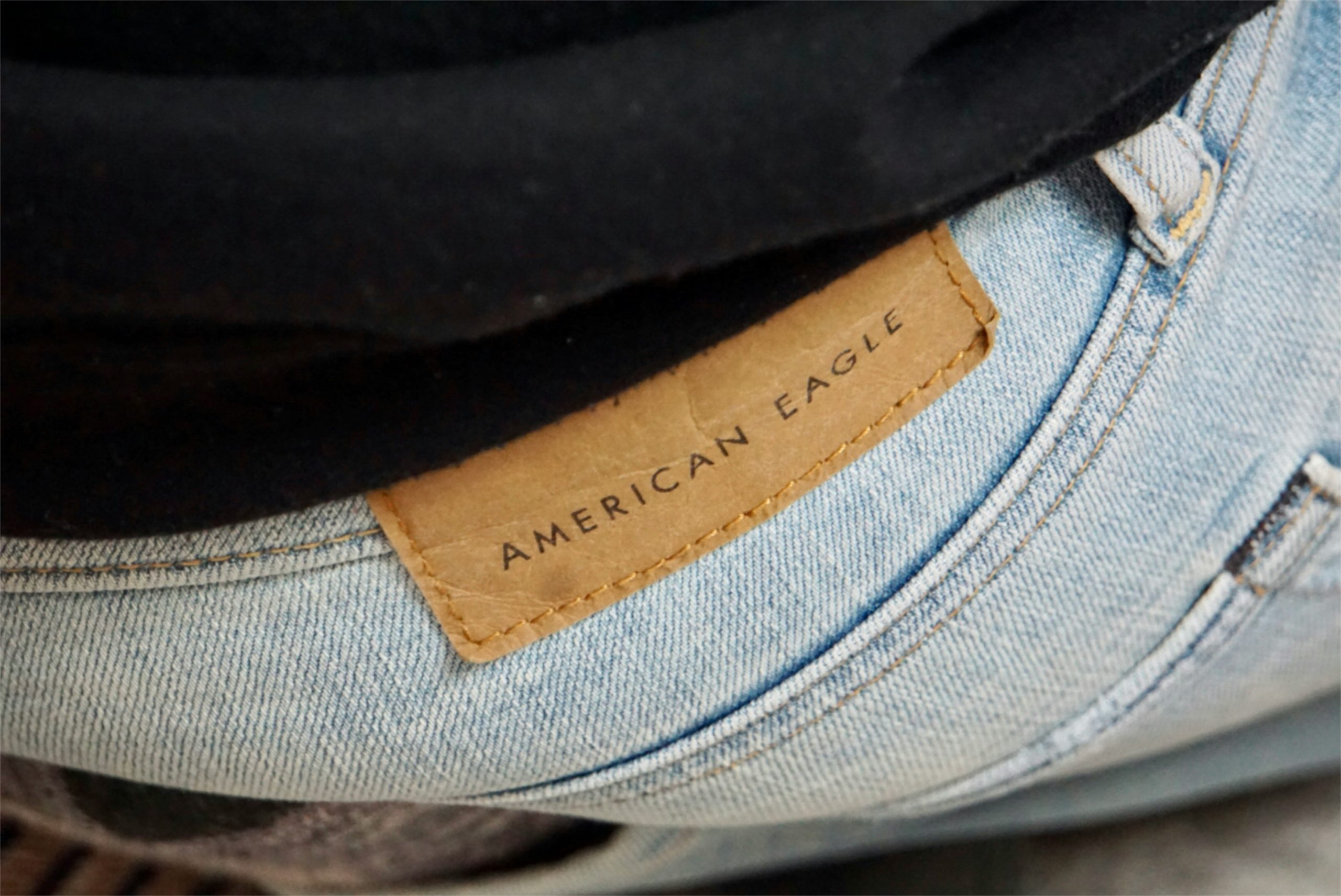
The campaigns for competitors American Eagle and Gap are newer, but their cultural impact is already seismic. American Eagle’s choice of Sydney Sweeney for its “good jeans” campaign created a firestorm of controversy and conversation, even briefly turning the company into a “meme stock” and drawing commentary from former President Donald Trump. Despite the noise, the company reported a “meaningful improvement in the business,” including the acquisition of those 700,000 new customers . Gap, in its quest to seem cool again to Gen Z, bypassed a single megastar for the hip, multinational girl group Katseye, crafting a viral “Milkshake” ad specifically for TikTok .
The “Organic” Insurgents and the New Rules of Engagement
Perhaps the most fascinating subplot in this war is the power of the “organic” endorsement. While Levi’s and American Eagle write checks for millions, brands like True Religion scored a massive win simply because Kylie Jenner decided to wear their jeans and post about it on Instagram. True Religion’s CEO called it the “ultimate compliment,” noting that such a post could typically cost “$500,000 to a million dollars” . The result? A 38% spike in denim sales over the following days . This demonstrates a new layer to the conflict: brands are now also competing for unsolicited, authentic celebrity wear, a marketing jackpot that money can’t directly buy.
Retail analyst Neil Saunders frames the battle in stark terms: “There definitely is a denim war. There’s a war for people’s attention. There’s a war for people’s spend” . In an economy where shoppers are cautious, the fight for every dollar is fiercer than ever. These celebrity campaigns are not just about jeans; they are desperate, expensive grabs for relevance. For legacy mall brands like Gap and American Eagle, denim is a “halo” product meant to shine a favorable light on their entire struggling identity .
The Verdict: Who Wins the War?
In the short term, Levi’s appears to have drawn the winning card. The perfect alignment of a superstar, a song, and a strategic corporate goal is a marketer’s dream. However, the war is far from over. American Eagle proved that controversy, while risky, can translate directly into customer acquisition. Gap is betting that the curated cool of a girl group can rebuild a faded brand with a young audience.
Ultimately, the real winner is the celebrity class itself. Their value as the ultimate arbiters of cool and the most powerful conduits to consumer wallets has never been higher. In the denim war of 2025, Beyoncé isn’t just selling jeans; she’s shifting corporate revenue lines. Sydney Sweeney isn’t just posing in photos; she’s moving stock prices. And Kylie Jenner, with a single casual post, can trigger a sales tsunami. The lesson for the fashion industry is clear: in today’s market, you’re not just hiring a model—you’re deploying a strategic asset. And that asset wears jeans.
Stay tuned to ShowbizzToday.com for more exclusive analysis on where celebrity, business, and culture collide.